July 17, 2026
Remembering The Porter of St. Bonaventure’s
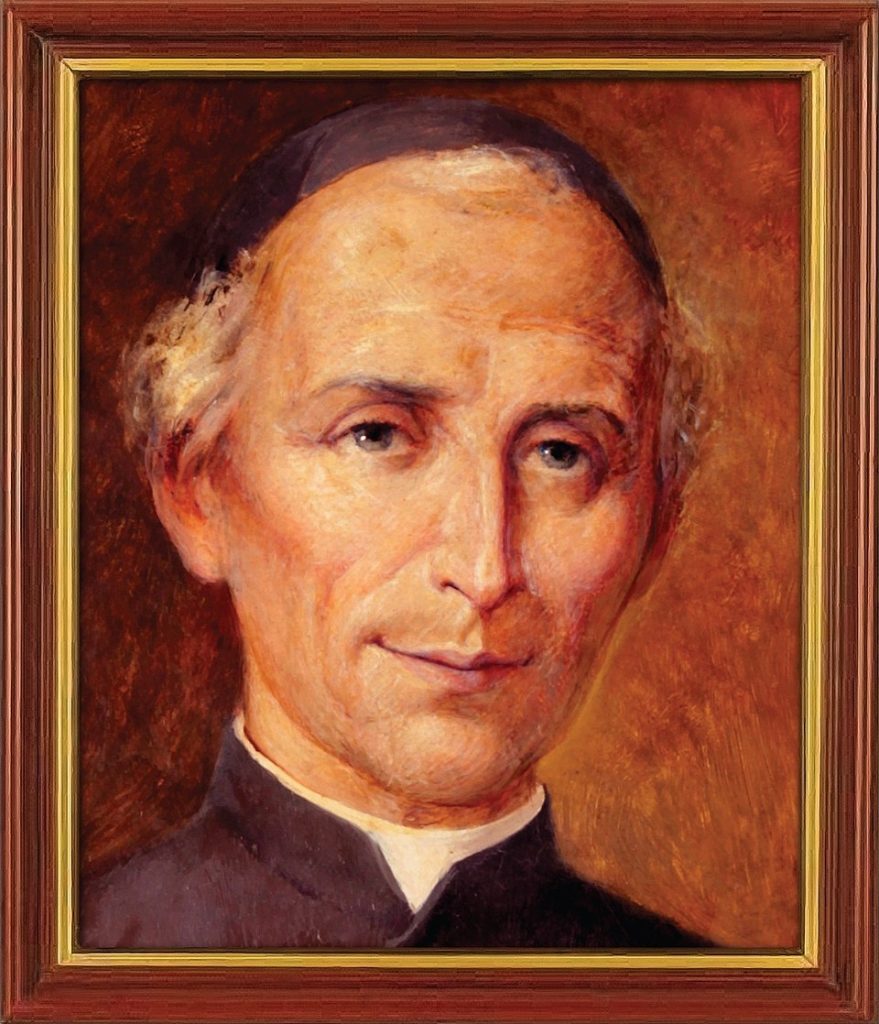
July 30th is the Feast Day of Blessed Solanus Casey. This is a particularly significant feast day this year, because we are in the Jubilee Year of St. Francis, and the Solanus Casey Center is a pilgrimage site. My memories of Fr. Casey go back to my youth. Our family grocery store, Louis Market, was just down the road from St. Bonaventure’s near the corner of Mack and Mt. Elliot. My father would normally go to Mass at St. Bonaventure’s before opening the store on Sundays.
Fr. Casey died in 1957, just a few years before I would be helping my dad at the grocery store. He would tell me stories of Fr. Casey – the people who would line up to talk to him about some pressing matter in their life; how, at times, it was just like the Gospels; he would tell the parent they could go home and their child would be fine.
I try to visit St. Bonaventure’s at least once a year. The Archdiocese has done a wonderful job developing the Casey Center, which tells the story of his life. I hope you consider making a pilgrimage to the Casey Center sometime soon. The good brothers at St. Bonaventure’s have published a
Novena and Feast of Blessed Solanus Casey that runs from July 21st – 30th. There are several good books and videos on the life of this holy, humble man.
Blessed Solanus Casey, Pray for Us!
July 3, 2026
Verso l’Alto
In addition to celebrating the 250th anniversary of the signing of the Declaration of Independence on July 4th, we are also celebrating the first feast day of St. Pier Giorgio Frassati who was canonized last fall. St. Pier Giorgio was born in Milan, Italy in 1901, and died on July 4th, 2025. He was a young man on fire with the love of God. At his funeral, the streets were lined with the poor and needy he had served so faithfully for seven years.
St. Pier Giorgio loved to climb the mountains in northern Italy. There is a photograph of him climbing a mountain on which he wrote “verso l’alto” which means, “to the heights”. Today is a perfect day to learn about the life of this zealous, holy man. I hope you will consider praying today the Prayer for the Courage to be Great:
Heavenly Father,
Give me the courage to strive for the highest goals,
To flee every temptation to be mediocre.
Enable me to aspire to greatness, as Pier Giorgio did,
And to open my heart with joy to Your call to holiness.
Free me from the fear of failure.
I want to be, Lord, firmly and forever united to You.
Grant me the graces I ask You through Pier Giorgio’s intercession,
By the merits of Our Lord Jesus Christ.
Amen.
The Pact
The Pact is a simple commitment to radically change the world – one act of charity at a time. All it requires is your willingness to pray each day the Prayer for the Courage to be Great and to do each day one small act of charity. If you would like to learn more about St. Pier Giorgio Frassati, The Frassati USA website is a wonderful place to start.
St. Pier Giorgio Frassati, pray for us!
June 6, 2026
Walking the Red Cedar Camino
When we think of making a pilgrimage, we typically think of going to the Holy Land, or Rome, or some other destination around the world. Though these international pilgrimages are excellent, over the last couple of years, I have come to appreciate the outstanding opportunities for pilgrimage here in our region. The Martyr’s Shrine in Midland, Ontario, Our Lady of Champion in Wisconsin, St. Peter’s Cathedral in Marquette, and the Solanus Casey Center in Detroit are great destinations for a weekend family pilgrimage that don’t require a major investment of time or funds.
One of my oldest and best friends and I are developing a habit of doing one-day pilgrimage hikes here in Michigan. Over the last few months, we have done three: One to Jackson/Spring Arbor, one to Chelsea/Dexter/Grass Lake, and last Friday, we did about a ten mile pilgrimage walk here in Lansing on what I have dubbed “The Red Cedar Camino” because it runs somewhat parallel to the Red Cedar River.
There are five churches and one cathedral on this pilgrimage route:
- St. Mary Catholic Church in Williamston
- St. Martha Catholic Church in Okemos
- St. John Student Center and St. Thomas Aquinas in East Lansing
- Church of the Resurrection and St. Mary Cathedral in Lansing
The distance from end to end of this route is about sixteen miles.
We started the day at St. Mary’s in Williamston. There was Eucharistic Adoration in the Church, so we were able to join the students who were there. It is always a joy to pray with children who are trying hard to focus on the Real Presence of the Lord. We then drove to St. Martha’s in Okemos to drop off a car. This would be the final stop on our pilgrimage. Then, we drove to St. Mary’s Cathedral in downtown Lansing. The rector of the Cathedral, Fr.Karl Pung, was celebrating a funeral Mass for a veteran. Fr. Pung baptized Leah twenty seven years ago when he was the parochial vicar at St. Thomas Aquinas, his first assignment after being ordained. This summer, he will be returning to St. Thomas to serve as our pastor. I am looking forward to seeing how the Lord will be using him to lead St. Thomas in the years ahead.
Our next stop, by car, was Church of the Resurrection. The Kona Ice truck in the parking lot was an indication they were having the end of school fair. It looked like the students were having a great time celebrating the end of the school year. There was Eucharistic Adoration in the Church, so Dave and I were able to take some time to pray. We left the car at Rez, and walked to the St. John Student Center. This stop was the focal point of the day. A few times a week, the Student Center offers Eucharistic Adoration and Confession, followed by Mass. It is a perfect trifecta for a pilgrimage day. We had lunch at a downtown East Lansing market, and then walked the next leg of the hike on the Red Cedar trail that runs through campus and eventually connects back with Grand River. Our final stop was St. Martha’s in Okemos. We had a chance to chat with Fr. Ryan, the pastor. I came to know Fr. Ryan from his time at St. Thomas; Dave got to know Fr. Ryan when he was the chaplain at Gabriel Richard. We ended the day with an all-you-can eat fish dinner at the Brookshire Inn. What a perfect end to a really enjoyable day.
There are several other local pilgrimage hikes I hope to do in the coming months – from Middle Village to Fort Michilimackinaw, from St. Ignace to Sault St. Marie, from L’Anse, Michigan to Ashland, Wisconsin. But, I have come to appreciate in my walks with Dave over the past several months, who you walk with is just as important as where you are walking. Walking and praying with a good friend for several hours can be an absolutely inspiring and joyful experience. I may or may not make it to the Camino di Santiago. Walking the Red Cedar Camino with a good friend is a really wonderful alternative.
January 9, 2026
Reflecting on 2025; looking forward to 2026
Looking back on 2025, we had a very rich experience of the Year of the Jubilee of Hope. We visited pilgrimage sites in Michigan, Wisconsin, Washington D.C., New Mexico and Italy. The diversity of the Catholic Church was on clear display – the simplicity of the Shrine of Our Lady of Champion is so unlike the experience of walking through the Holy Doors at St. Peter’s Basilica in Rome. The diversity of the lives of the Saints represented at these sites is also striking. As moving as it is to stand in St. Peter’s, experience the grandeur of that place, and pray at the tomb of St. John Paul the Great, it is also encouraging in a very different way to pray at the casket of Blessed Solanus Casey.
As 2026 begins, my hope is to get to know a little better the lives of some of these amazing men and women who have been significant in the development of Catholic culture around the Great Lakes – Fr. Jacques Marquette, Magdeline Lafromboise, Adele Brise, Venerable Samuel Mazzuchelli, Fr. Gabriel Richard to name a few.
Here’s an exerpt from a letter from St. Jean de Brebeuf to new missionaries traveling to Huronia:
“You must love these Hurons, ransomed by the blood of the Son of God, as brothers… Bear with their imperfections, and you must try always to be and to appear cheerful…Always carry something during the portages. Do not begin to Paddle unless you intend to paddle…
Jesus Christ is our true greatness; it is he alone and his cross that should be sought in running after these people, for if you strive for anything else, you will find naught but bodily and spiritual affliction. But having found Jesus Christ in his cross, you have found the roses in the thorns, sweetness in bitterness, all in nothing.”
St. Jean de Brebeuf and all the North American matyrs, pray for us!
Bishop Baraga Association Virtual Snowshoe Walk
Every year, the Bishop Baraga Association sponsors a virtual snowshoe walk in January. The walk is from January 19th until January 30th . If you would like to learn more about this, here’s the link:
Bishop Baraga Virtual Snowshoe Walk
Eucharistic Congress 2026: One Nation Under God
Eucharistic Pilgrimage 2026
January 1, 2026
“If I should fall even a thousand times a day, a thousand times, with peaceful repentance, I will say immediately, Nunc Coepi [Now I begin]”
With his return as quarterback of the Indianapolis Colts recently, Phillip Rivers is once again in the football news. I was fortunate to hear Mr. Rivers speak at a men’s coference in Grand Rapids about a dozen years ago. The focus of his talk was the latin phrase “nunc coepi” (now I begin). This phrase was initially popularized by Venerable Bruno Lanteri, the founder of the Oblates of the Virgin Mary. This talk and this phrase made a lasting impression. As 2026 begins, I am reflecting on this phrase, and how the Lord is asking me to integrate it into my life in the days and months ahead.
I hope you find it as inspiring as I do!
“Say with courage: Nunc Coepi – Now I Begin and walk always in the service of God. Do not keep stopping to look back, because he who looks back cannot hasten forward. Do not content yourself with beginning this year. Begin every day, because each day and for each hour of the day the Lord taught us to say in the ‘Our Father:’ Forgive us our trespasses. Give us this day our daily bread. And do you not see that the enemy seeks to take away your tranquility and confidence in God, two dispositions so necessary for praying well? Take there the counsel of St. Teresa, “Let nothing disturb you”, not even your spiritual miseries, because these are the object and the foundation of the infinite mercy of God, which surpasses the malice of all the sins of the world!” – Letter to Sister Leopolda Mortigliengo
The Oblates of the Virgin Mary and Nunc Coepi.
Wednesday, December 10th, 2025
Hope
This December we are celebrating both the beginning of the new liturgical year in Advent, and we are also nearing the end the Jubilee Year of Hope, which concludes on the Feast of the Epiphany, January 6th. Both of the seasons are focused on the theological virtue of hope. As Father Joe Krupp reminds us in his homily, the theological virtue of hope is quite different from how we think about hope in normal life. Hope is much more than optimism.
It is my intention to learn more about and reflect on the virtue of hope in the next few weeks. The good sisters and staff at Open Light Media have provided a broad range of on-line and printed resources to learn more about hope, and all the virtues. As the Catechism (1817) tells us, hope is “the theological virtue by which we desire and expect from God both eternal life and the grace we need to attain it.” There is still plenty of time to do a Jubilee Pilgrimage if you haven’t been able to do one yet, or do another, if you are inspired to do so. The Archdiocese of Detroit has twelve Jubilee Pilgrimage Sites. If you like heading Up North, Bishop Walsh will be celebrating a Mass to conclude the Jubilee Year on January 3rd at St. Mary’s Cathedral in Gaylord.
Friday, September 20th, 2025
Hoping for Better Things: Another Jubilee Pilgrimage
Our parish arranged a Jubilee Pilgrimage to Detroit last week. We had a full busload of pilgrims. Fr. Gordon, our pastor, started the day with Mass at 6:30. The itinerary included The Cathedral of the Most Blessed Sacrament, St. Anne de Detroit, lunch at Pegasus in Greektown, and then the last stop was St. Joseph’s Shrine.
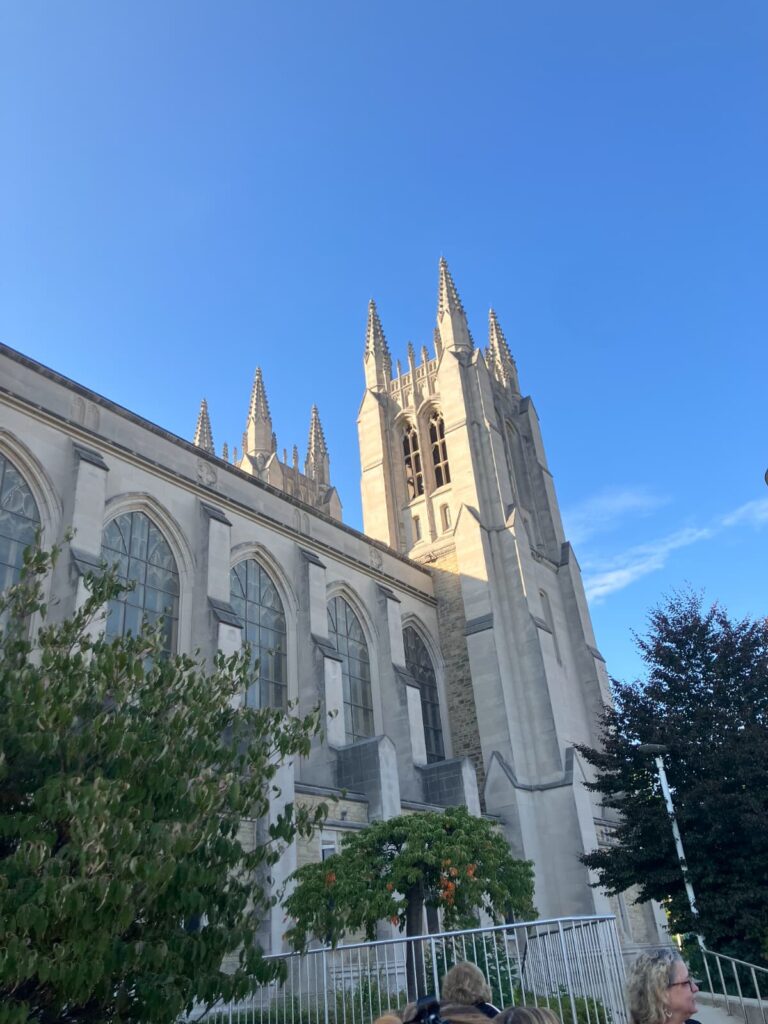
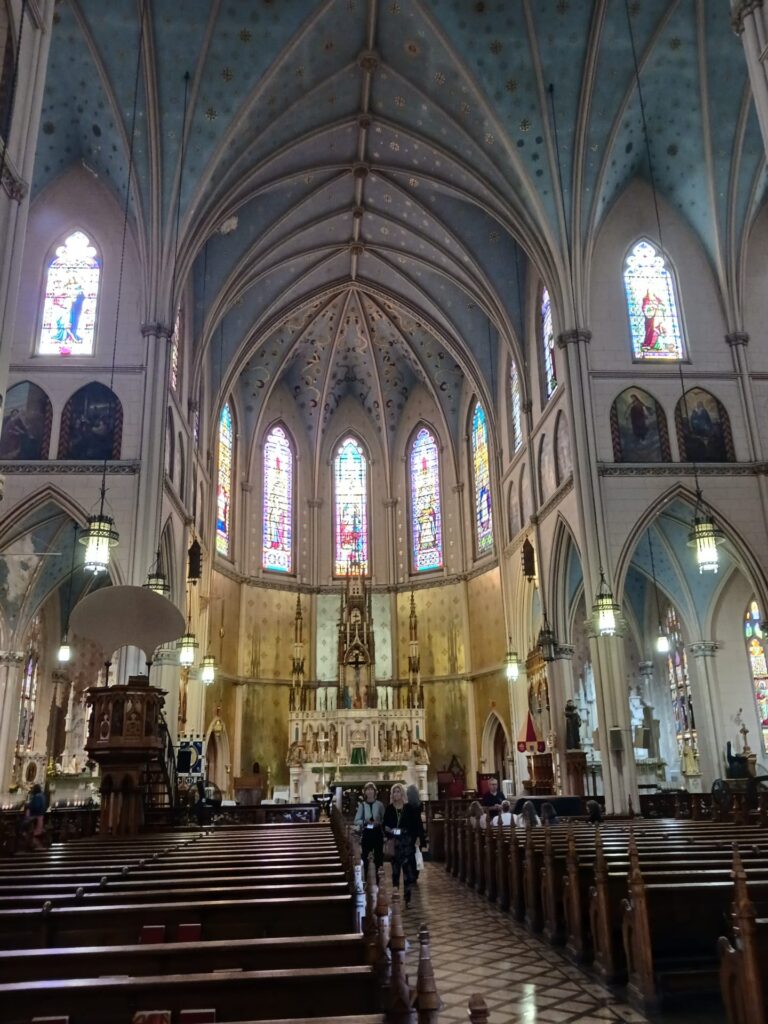
Even though I grew up in the Archdiocese of Detroit, I had never visited the Cathedral of the Most Blessed Sacrament. It is definitely worth visiting. Relics of the Apostles are displayed around the periphery of the Church. Above each relic, there is a plaque which includes their feast day, a short
summary of their life, symbols associated with the Saint, who they are patrons for, a scripture to ponder, and a reflection. You can walk and pray your way around the Cathedral as slowly or as quickly as your time allows.
Our next stop was the Basilica of St. Anne de Detroit. The historical marker in front of the Basilica provides a summary:
On July 26, 1701, two days after his arrival, Antione de la Mothe Cadillac, the founder of Detroit, built a chapel dedicated to Ste. Anne, patron saint of New France. Father Francois Vaillant, a Jesuit, and Father Nicholas Constantine Delhalle, a Franciscan, were instrumental in the founding of the parish. The church records, which date from 1704, are now the second oldest
continuous Roman Catholic parish records in the nation. From 1833 to 1844, Ste. Anne’s was
the Cathedral for the Diocese of Michigan and the Northwest
Father Gabriel Jacques Richard, S.S., (1767 – 1832) – pastor, educator and public servant – arrived in Detroit in 1798. In 1802 he became the pastor of Ste. Anne Church. He brought a printing press to the area and in 1809 printed Michigan’s first newspaper, The Michigan Essay or Impartial Observer. In 1817 Richard and the Reverend John Monteith, a Presbyterian, became the first professors of the University of Michigania, the territory’s pioneer educational establishment. Richard also established schools for girls and for Indian children. From 1823 to 1825 Richard was Michigan Territory’s delegate to the United States Congress. He died of
cholera on September 13, 1832.
What is noteworthy about St. Anne de Detroit is alluded to in the marker. As our docent explained, St. Anne’s de Detroit is the second oldest parish in the United States where the Mass has been continuously celebrated. The only older parish is in St. Augustine Florida. In addition to its history, the connection with Father Gabriel Richard is also significant. The Archdiocese has a produced a video to give you a sense the life of his outstanding priest.
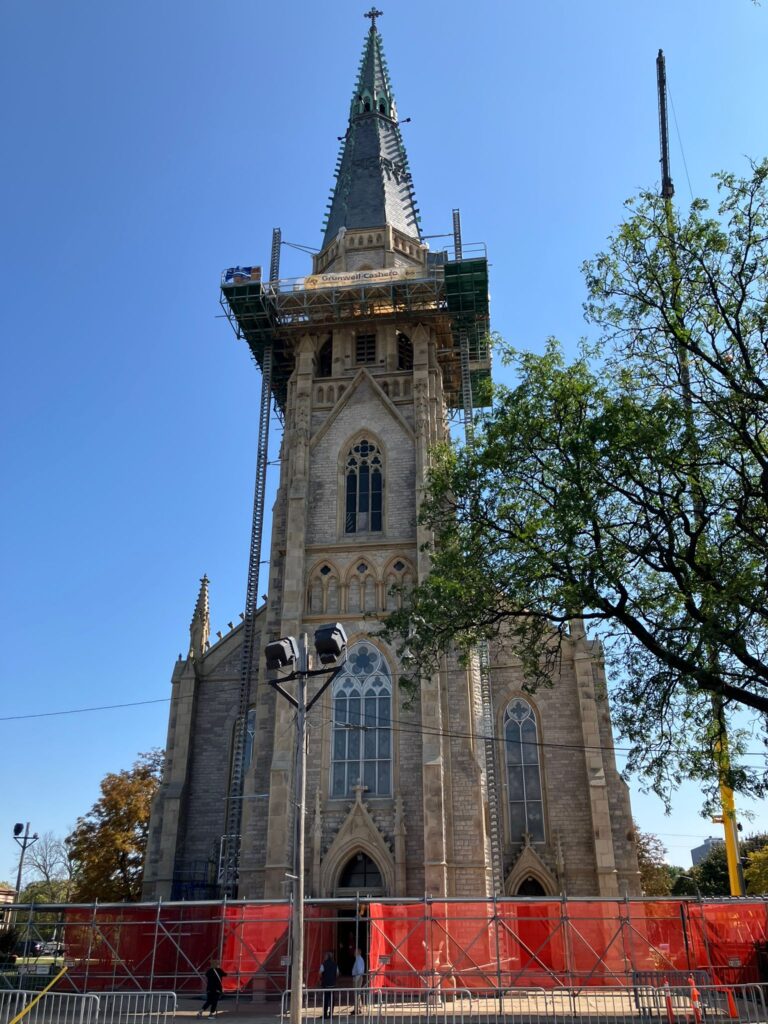
Our final destination was St. Joseph Shrine on the near east side of the City. The Shrine is right across Gratiot from Eastern Market, one of my favorite Detroit destinations. The city of Detroit has many historic Catholic churches. They were usually built to serve a particular ethnic group. The St. Joseph Shrine was built to serve the German Catholics of Detroit. On the other side of Eastern Market are the churches for the Polish Catholics and the Italian Catholics. I am impressed that the archbishops in Detroit have worked hard to keep as many of these beautiful, historic churches open as possible. As the number of residents, including Catholics, who live near these churches declines, it is easier to close and consolidate. They have not chosen the easy path. But, this would not be possible unless the lay Catholics in the Detroit area were committed to maintaining and refurbishing these churches. That commitment appears to be strong and growing.
If you haven’t done a Jubilee Pilgrimage yet, or would like to do another, the Archdiocese of Detroit has some outstanding options. The pilgrimage I suggest would include three of the twelve designated pilgrimage locations in the Archdiocese:
– The Cathedral of the Most Blessed Sacrament
– Basilica of St. Anne de Detroit
– Fr. Solanus Casey Center
If you can do it on a Saturday, adding a visit to Eastern Market makes this a really enjoyable day.
What was particularly striking to me is all the construction happening in Detroit. Around the Cathedral, downtown, around the recently reopened Michigan Central Station, around Eastern Market, the new Gordie Howe Bridge, just about where ever we travelled, building, development and remodeling was underway. It is a much more vibrant city than the one I recall from my younger days.
After spending a dozen years in the New World, it seems that Fr. Richard was not particularly happy in Detroit and wanted to return to France. Then came the fire of 1805. The Detroit settlement was largely destroyed. Fr. Richard encouraged the people to rebuild and not leave. He apparently decided he needed to do the same. As a UofM grad, I am really grateful he did. He gave the city it’s motto: Speramus meliora; resurget cineribus, “We hope for better things; it will rise from the ashes.”
August 29th, 2025
Alpena Michigan
Most Michiganders have their favorite places to spend time when they head Up North. For me, it is Presque Isle/Alpena/Rogers City. I have been visiting this area for the last twenty years. When we first started coming here, I was struck by the fact that the City of Alpena, with a population of about 11,000 people, has four Catholic churches. The historical marker outside of St. Bernard’s provides a summary of this history:
In 1861, Bishop Frederic Baraga (1797-1868) trod through snow and icy waters from Sault Ste. Marie to Alpena where he founded a Catholic church. However, it was not until 1888 that Father Patrick Murray became the first resident pastor of the church dedicated to and named for St. Bernard. Father Murray was instrumental in the building of the first church structure, which was located almost directly opposite the current edifice. The foundation of this stone structure was laid in 1880. Three years later the church split into three parishes. The French parish, which kept the original structure became St. Anne; the Polish became St. Mary; and the Irish retained the St. Bernard name and records. This structure, completed by the Irish in 1884, house the oldest Catholic parish between Bay City and Cheboygan.
A fourth Catholic Church, St. John the Evangelist, opened in 1963. In 2015, the four parishes were merged into a single parish, All Saints Catholic Parish. The Bishop decided to keep all four locations operational. Each was given a specific focus. St. Anne’s is the Center for Worship, where daily and Sunday Masses normally are celebrated. St. John the Evangelist is the center for catechism and evangelization, where the school and youth ministry are housed. St. Mary is a now a chapel for Perpetual Adoration, and St. Bernard is the center for service, which includes the Friendship Room soup kitchen.
As a part of this consolidation, Catholic artist John McCoy was commissioned to paint a mural for St. Anne’s. The Church has published a booklet which provides short biographies on the sixty-two saints depicted in the mural. Link To Mural Here
When I am in the area, I enjoy joining the rosary crew at 8:30, followed by 9:00 a.m. Mass at St. Anne, then stopping in at Cabin Creek Coffee for my morning mug, before I head over to St. Mary’s to spend some time in prayer. It is about as perfect a way to start my day as I can imagine.
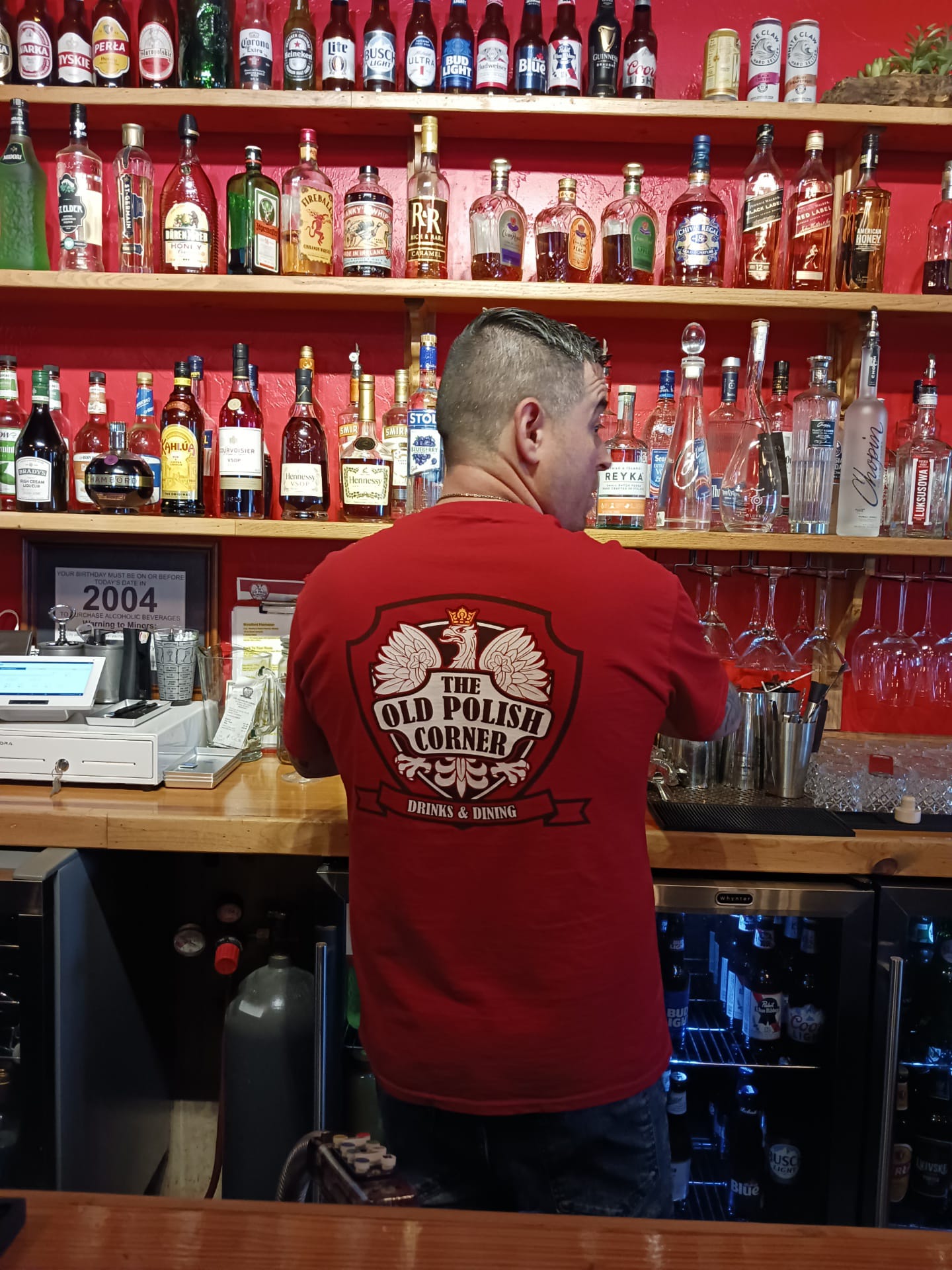
Two blocks down from St. Mary’s is The Old Polish Corner Restaurant. If you are looking for good Polish food and beer, you won’t be disappointed at the Old Polish Corner. This week, I had the smoked pork tenderloins – absolutely delicious! Life is Good.
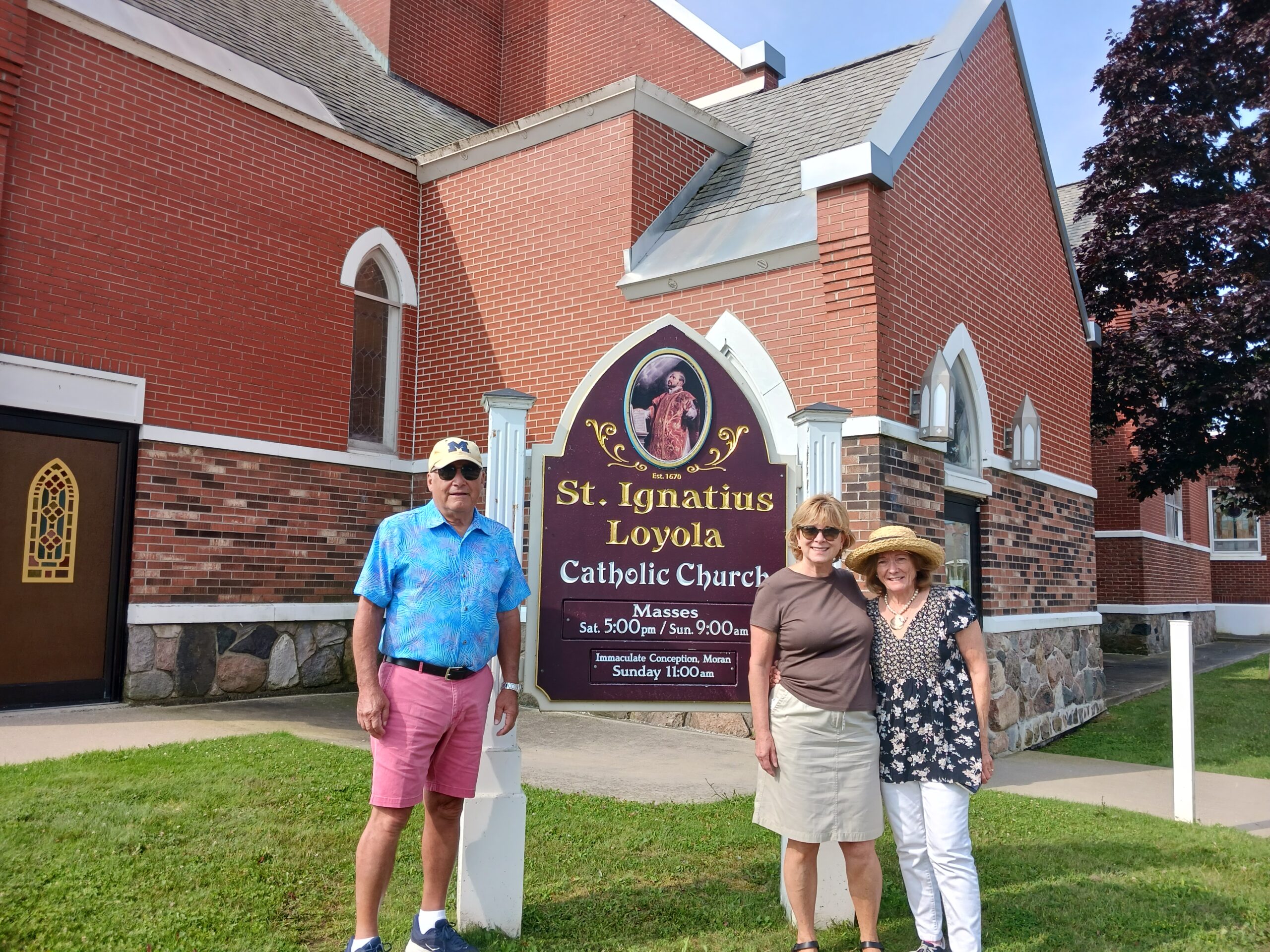
July 31st is the Feast Day of St. Ignatius of Loyola.
On a trip Up North last week, we made a short visit to St. Ignatius of Loyola Catholic Church in St. Ignace Michigan before taking the ferry to Mackinac Island. As their sign out front indicates, this mission was established in 1670 by Fr. Jacques Marquette. Fr. Marquette tends to be most well-known for his expedition with Louis Jolliet down the Mississippi River in 1673. His love of God, and his love for the Native Americans of the region, can sometimes be overlooked.
Fr. Marquette was one of many Jesuits who dedicated their lives to bringing the Catholic faith to the Indian tribes of the Great Lakes Region. His time in the Straits of Mackinac was less than 30 years after the killing of the North American Martyrs in Ontario and Upstate New York – Isaac Jogues, Jean de
Brebeuf and their companions. These men had a clear understanding of the risks they were taking, and the hardships they would endure. There is no question that, here in the Great Lakes, the blood of the martyrs was the seed of the Church.
We were on the Island to meet with Brother Jim Boynton and Phil Porter. Brother Jim is the President of U of D Jesuit High School in Detroit. He was born and raised in St. Ignace and spent several years on the Island as a tour guide. He also established the museum in the lower level of St. Anne Catholic Church. Phil Porter was the Executive Director of the Mackinac State Historic Parks for many years. He is a convert to the Catholic Church. Both Jim and Phil were on the Island to celebrate the Feast of St. Anne and St. Joachim on July 26 th.
In addition to establishing the museum, Brother Jim is the author of “Fishers of Men: The Jesuit Mission at Mackinac 1670-1765”. If you have an interest in the Catholic history of the Great Lakes, this book is essential. Jim is also a skilled musician. He played for and called the square dance on Saturday evening. It was a real joy to learn to square dance on the patio of St. Anne’s (founded in 1675), with a group of high school graduates from Caledonia. It is inspiring to know that the vision of St. Ignatius is being lived today by men like Brother Jim.
St. Ignatius, St. Anne and St. Joachim, Pray for Us!
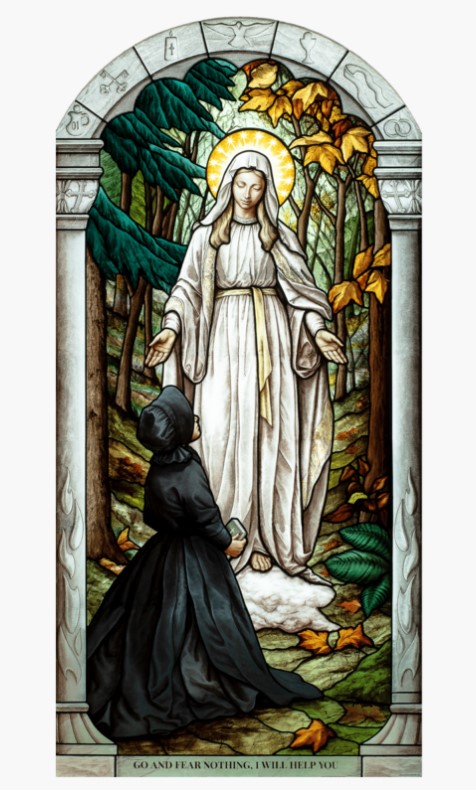
Go and fear nothing, I will help you.
Jubilee Pilgrimage #3: Our Lady of Champion
Bernadette and I just returned from a short trip to Wisconsin. We took the S.S. Badger from Ludington to Manitowoc to begin this journey. Having made the drive to Wisconsin on several occasions, it was an absolute joy to spend four hours on Lake Michigan on the last remaining coal-powered steamship in the United States.
Our first two days were in Green Bay. Our first stop was Lambeau Field, home of the Green Bay Packers. Learning the history of this team in a city with a population of just over 100,000 is an inspiration. As a life-long Lions fan, I have never loved the Packers. That said, their history is packed with the stuff of legends – all the elements that make life around the Great Lakes so rich.
Our primary destination was Our Lady of Champion, which is about twenty miles outside of Green Bay. Our Lady of Champion is the only approved Marian apparition in the United States. If you don’t know the story of Adele and Our Lady, here’s a link to the website for Our Lady of Champion
Spending some time in prayer in a place where Mary appeared is a powerful experience. Mary’s message to Adele is something we all can take to heart: “gather the children in this wild country and teach them what they should know for salvation”. Adele dedicated the rest of her life to doing that.
When we were at Our Lady of Champion, I learned about the Wisconsin Way. The Wisconsin Way has a Pilgrim Passport which highlights three pilgrimage sites in Wisconsin – Our Lady of Champion, Holy Hill, and Our Lady of Guadalupe. Here’s a link to learn more about the Wisconsin Way.
The Feast Day of Our Lady of Champion is October 9th. Now that we have visited this special place, this date has new significance for me. Mary, Our Lady of Champion, pray for us!
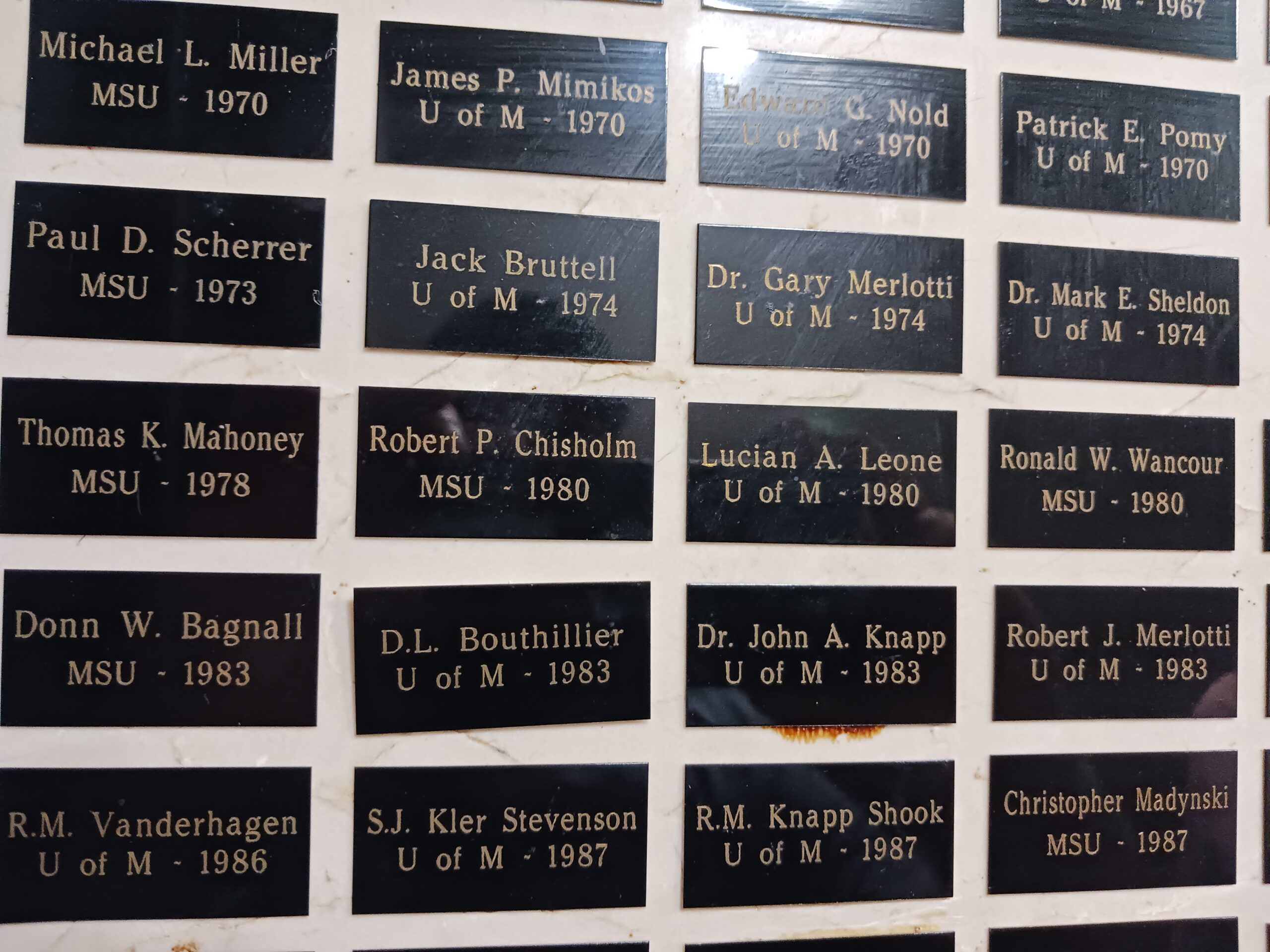
One of the plaques lists all of the recipients of the Evans
Scholarship.
Last week, I played golf at the course where I caddied 50 years ago. Though there are fewer trees than there were back then, the course and club haven’t changed a lot over a half century. My summers at Lochmoor Club had a significant impact on my life, first as a caddy for several years and then working in the pro shop cleaning golf clubs and picking up golf balls on the driving range.
There is a hallway in the clubhouse with several plaques. Most of the plaques identify the club champions since the club was opened in 1917. One of the plaques lists all of the recipients of the Evans Scholarship. Started in 1930, the Evans Scholarship provides tuition and housing for caddies with limited financial means. The Evans Scholarship Foundation has provided scholarships for more than 11,000 high school graduates over the last ninety-five years.
Adjacent to my name on the plaque is the name of one of my best friends when I was growing up, Bob Chisholm. Bob and I became friends in the third grade. When we were in sixth grade, Bob mentioned to me that he was going to go over to Lochmoor to learn about becoming a caddy as a summer job. I decided to go along. The caddy master talked about the Evans Scholarship. I decided then I would do what I needed to do to earn that scholarship.
During my senior year in high school, Bob said he was planning to work as a camp counselor at Camp Ozanam. I thought that sounded like a great idea. So, I spent that summer working at the Camp. Being responsible for a cabin full of young boys for the summer helped me to grow up in ways I could not have imagined.
As I looked at those two names on that plaque, I was struck by the power of good friends. Because of Bob, I worked as a caddy, earned the Evans Scholarship, got my degree from UofM with no debt, and worked as a camp counselor. We had several other adventures, but I will save those for another post.
Thanks Bob, for being a good friend.
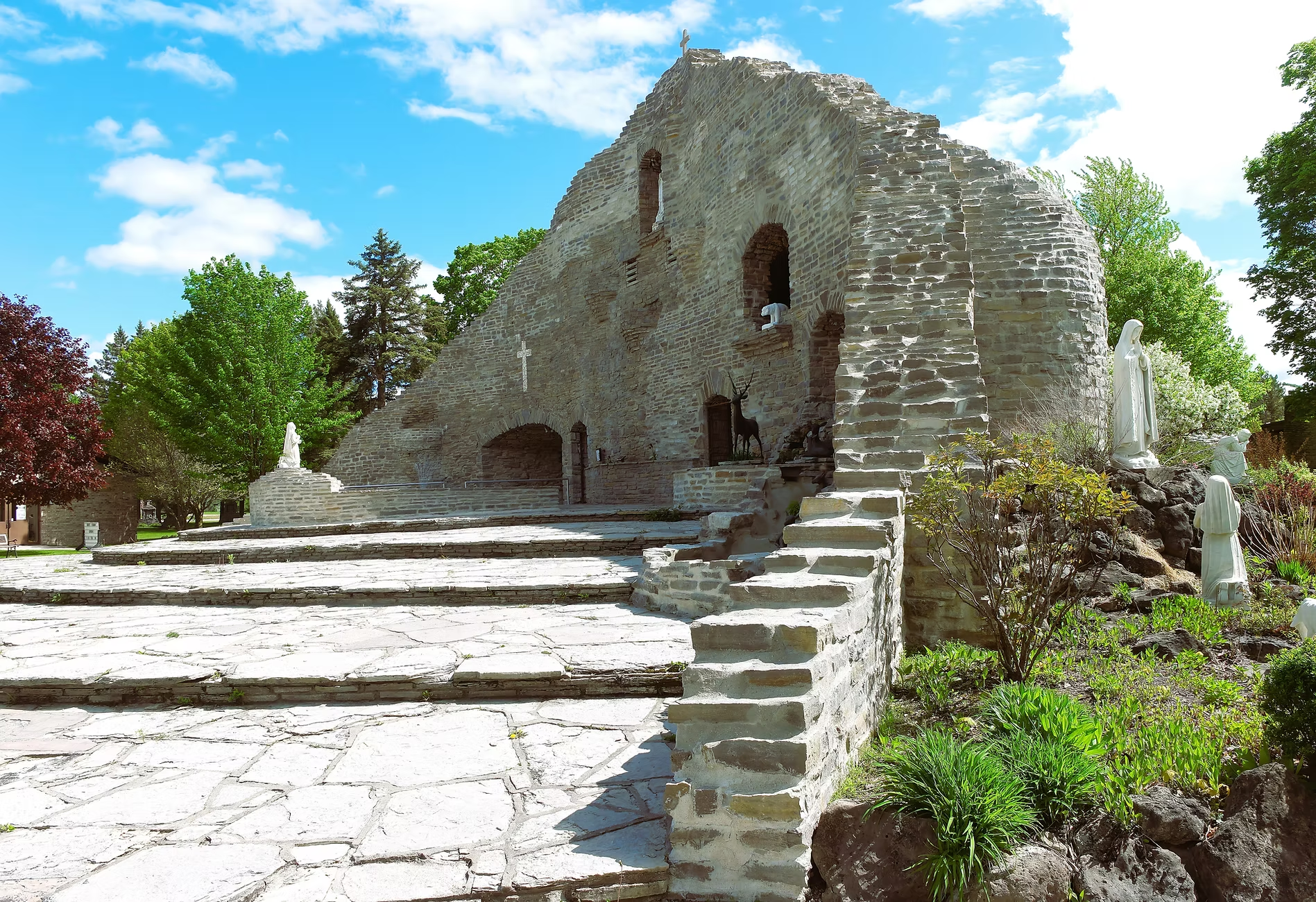
Our Lady of the Woods Shrine
Diocese of Gaylord: Pilgrim’s Passport
On a trip Up North last week, I learned that the Diocese of Gaylord is offering a Pilgrim’s Passport for Jubilee 2025. The Passport highlights the three pilgrimage sites for the Diocese (Cross in the Woods, Our Lady of the Woods Shrine, and St. Mary’s Cathedral), two diocesan pilgrimages (Our Lady of Champion and Rome), and nine Jubilee liturgies throughout the year around the Diocese. Passports are available for free at the three pilgrimage sites. Stamps are available for the activities included in the
passport.
The first stop on my trip was Our Lady of the Woods Shrine in Mio Michigan. This was my first time visiting this Shrine. The Shrine is on the grounds of St. Mary Catholic Church. The Shrine was built in the 1950s and depicts several major apparitions of the Blessed Mother: Our Lady of Fatima, Our Lady of Lourdes, Our Lady of Guadalupe, Our Lady of LaSalette, and Our Lady of Czestochowa. During the summer, the parish celebrates an outdoor Mass on Saturday evenings at 6:00 p.m. The Shrine welcomes large groups and buses. The Jubilee Liturgy will be celebrated at Our Lady of the Woods Shrine on Friday, August 15th, on the Feast of the Assumption of Mary. This would be a perfect opportunity to visit.
On my way back home, I stopped at Cross in the Woods in Indian River. It is easy to spend an hour or two walking around and praying on these beautiful grounds. The Jubilee Liturgy will be celebrated at the Cross in the Woods on September 14th ; the Feast of the Exultation of the Cross. In addition to getting my passport stamped at the gift shop, I learned about
St. Joseph’s Measure Prayer.
My final stop was at St. Mary’s Cathedral in Gaylord. Bishop Walsh will be celebrating the Mass of the Closing of the Jubilee Year on January 3rd. There is a Eucharistic Adoration Chapel in the Cathedral which is open during normal hours.
I am looking forward to attending some of the Jubilee Liturgies in the Diocese of Gaylord over the next several months. In addition to the passport and stamps, the Diocese also has pilgrimage coins for the three pilgrimage sites. I hope you consider this for your family as well!
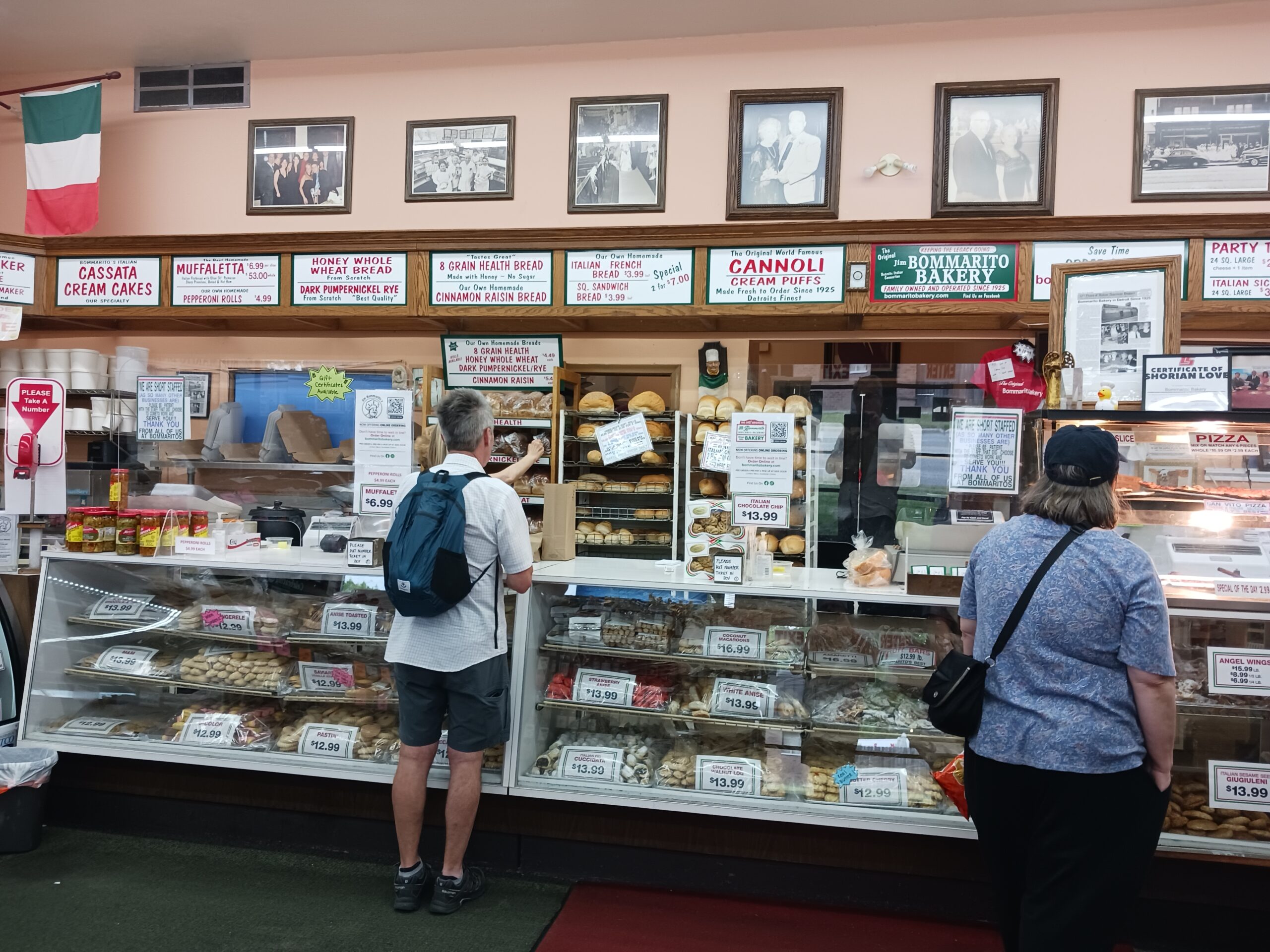
MoJo ordering lunch at Bommarito’s Bakery.
A Tale of Two Cities
Thursday, June 12, 2025
St. Clare of Montefalco Parish in Grosse Pointe Park. St. Clare
On Palm Sunday weekend, as we were returning from our vacation in Sicily, I had the privilege of experiencing the Jubilee Indulgence at St. Peter’s Basilica in Rome. It was a wonderful experience – an early dinner with friends at Vittorio’s Pizzeria, just a couple of blocks from St. Peters; walking through the Holy Doors; confession and Mass at the Basilica. It was the perfect end of a great vacation.
Last week, Robert and I visited the Solanus Casey Center in Detroit. The Center is one of the twelve Jubilee Pilgrimage sites in the Archdiocese of Detroit. It is also about a mile down Mt. Elliot from the lot where my father’s grocery store, Louis Market, once stood.
If you haven’t visited the Center during the Jubilee Year, I suggest you consider it. As Fr. Bernie suggested in the podcast, it is helpful to do some prep work before visiting. There are several videos you and your family can watch to get a basic sense of the life of this humble, holy man. A few of them are available on this site at the “Profiles in Virtue” tab. Also, reading a book about his life can be helpful. “The Porter of St. Bonaventure’s” is excellent, as is “Blessed Solanus Casey: The Official Account of a Virtuous American Life”. One of the special benefits of the Center is that confessions are available most days, so you are able to complete two of the five Jubilee Indulgence requirements when you visit.
After spending a few hours at the Solanus Casey Center, Robert and I took a drive down Mack Avenue to make two stops. First, we stopped at St. Clare of Montefalco Parish in Grosse Pointe Park. St. Clare is the Church where Pope Leo XIV was ordained a deacon in the summer of 1981. Until about a dozen years ago, the Augustinians were responsible for St. Clare. They also were responsible for Austin Catholic Prep High School, about a mile and a half down Mack Ave from the Church. Austin is where I attended high school from 1972 – 1976. We had our Baccalaureate Mass at St. Clare. It is a small world.
Our next stop was Bommarito’s Italian Bakery, also on Mack Avenue in St. Clair Shores. Bommarito’s has been in business for about a century. It is a block from the house where I grew up. Bommarito’s hasn’t changed a whole lot since my memories from fifty years ago. There are two sisters working at
Bommarito’s who have been there for about half a century. The lemon ice is still refreshing!
Though the Jubilee Pilgrimage to Rome was an outstanding experience, the pilgrimage to Detroit was probably more spiritually significant. These are the people and places that have shaped my life. I can appreciate Fr. Casey playing his violin as best as he was able, because that was how he could give glory and praise to God. God doesn’t expect perfection. He just wants us. Fr. Casey understood that. Blessed Solanus Casey, pray for us!
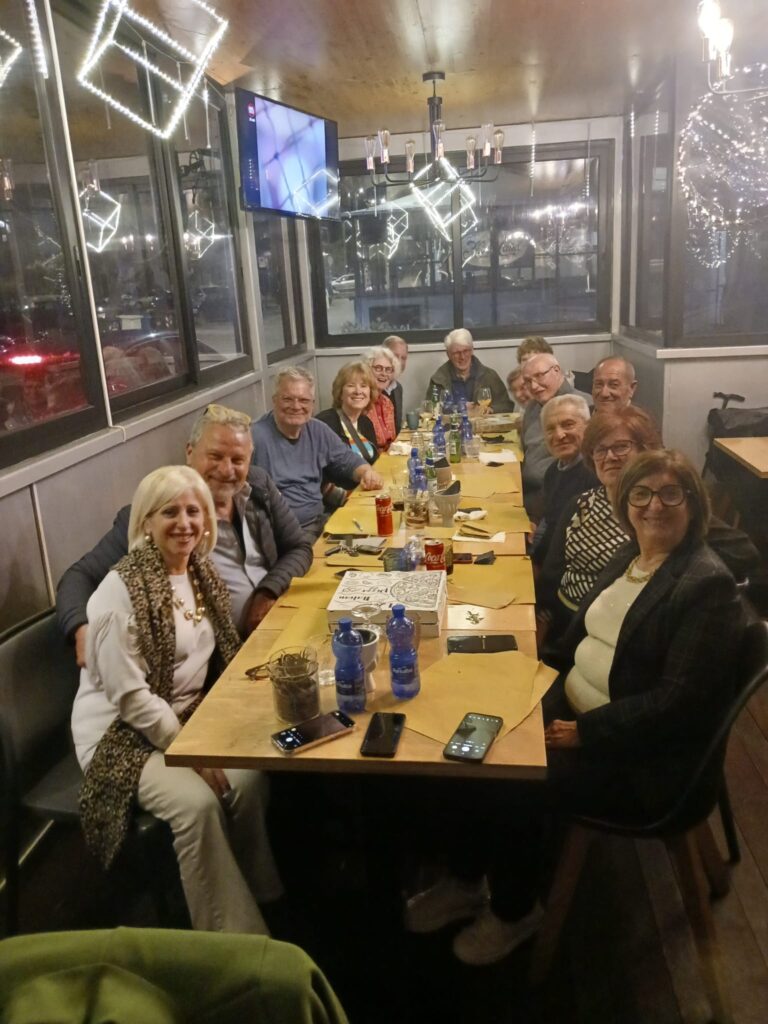
Lucian’s Michigan and Sicilian relatives together in Alcamo
“There are two ways of getting home; and one of them is to stay there. The other is to walk round the whole world till we come back to the same place …”
― G.K. Chesterton , The Everlasting Man
Since 2025 is a Jubilee year, we decided to end our trip to Sicily with a stop in Rome so that we could walk through the Holy Doors and receive the Jubilee Indulgence. The last meal for our group was at Vittorio’s Pizzeria – just a few blocks from St. Peter’s Square. Vittorio’s is one of the favorite restaurants for priests and seminarians when visiting, studying or working in Rome. As has been the case with every meal on this trip, the food, the atmosphere, the conversation, were all fantastic. Of course, the meal
that stands out for me is the evening in Alcamo at the Sunshine Pizzeria, when we were joined by eight of my Sicilian relatives.
Being able to walk through the Holy Doors at St. Peter’s Basilica on Palm Sunday weekend was a special grace. It is difficult not to be struck by the immensity and beauty of this place – the Pieta, the crypt of St. John Paul the Great, the tomb of Peter. Thinking about all the holy men and women who are honored there, buried there, and have prayed there, deepens my appreciation for the Catholic Church. We are so fortunate to be a part of this Church. Flying back on Sunday, we returned as Holy Week began. On Monday, it was really nice to go back to morning Mass at my parish, St. Thomas Aquinas in East Lansing, where I can both understand what the priest is saying, and I know many of the people who attend.
We visited more than twenty churches over the course of this trip and celebrated Mass in five. Many were incredibly beautiful. It seems that the only ones which were not particularly beautiful were those built in the last one hundred years. It is encouraging to see several churches in the Diocese of Lansing have been renovated or are in the process of being renovated over the last few years. Though it is fundamentally true that the Church is not a building, having beautiful and inspiring churches where we pray and worship together does impact our experience. We are physical beings and we are influenced by our physical environment.
One of my other key take-aways from the trip is the importance of good food. The Sicilians (and Romans) take their food very seriously. Though the church visits were excellent, the most memorable aspect of the trip were the meals we shared together. There are a few recipes I need to master in the
coming months (or perhaps, need to convince Bernadette to master…). Spending time with family and friends enjoying a good meal together with a good wine is, without question, a foretaste of heaven on earth.
Life is Good.
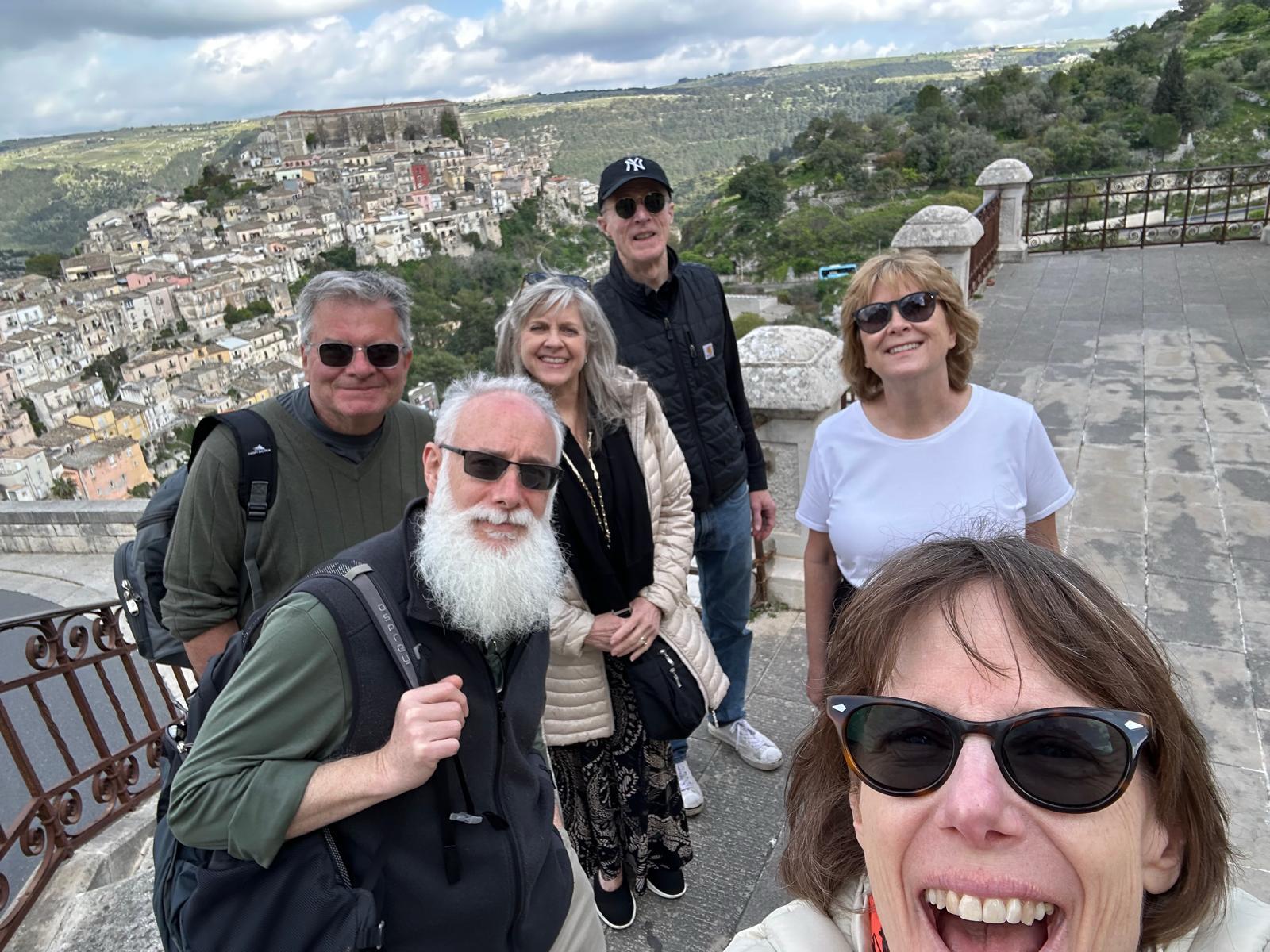
Syracuse, April 10th 2025
Fontane Bianche
April 10th 2025
Good Friends
We left Taormina on Monday and drove down the coast to Syracuse. This was also the day that our group shifted from three sisters and their husbands to three couples who are friends. The first week of our trip was focused on family; both our family in Michigan along with my Sicilian relatives. This week is more about friendship.
Over the last few years, I have come to appreciate the importance of friendship. I have come to believe it is “the missing ingredient” in the lives of many contemporary Catholics. Four or five years ago, we were asked to facilitate a Faith Sharing Group in our parish. The people in this group have become good friends. These relationships have changed our lives.
I have come to understand that living a life of discipleship is a team sport. We are not meant to go it alone. The focus of Jesus’ earthly ministry was forming a group of friends who would change the world. God is inviting us to be His friends. One of the principal ways we become friends with God is to become friends with each other. The path to holiness and happiness is grounded in friendship.
Aristotle identified three types of friends – friends of utility, friends of pleasure, and true, or virtuous friends. Most of us have a good number of the first two types. The key to happiness, according to Aristotle, is having a few true friends. These are the friends who help you become the best version of yourself. These are the friends that will be there for you when you are in most need of a friend.
I highly recommend a book written by Dr. John Cuddeback, a professor of philosophy at Christendom College: “True Friendship: Where Virtue Becomes Happiness”. As the title implies, Dr. Cuddeback summarizes the teaching of Aristotle and St. Thomas Aquinas on friendship, and shows the connection between friendship, the virtues and happiness. Robert and I will talk about this book sometime in the next few months.
Particularly today, living in post-Covid America, where so many of us are working from home and so many of our relationships are on-line, developing good friendships doesn’t happen as easily as it may
have in the era of our parents and grandparents. The best friendships are formed over years – sharing the joys and challenges of life. Spending a few days with friends experiencing a small taste of what this island has to offer is definitely in the joyful category.
Life is Good
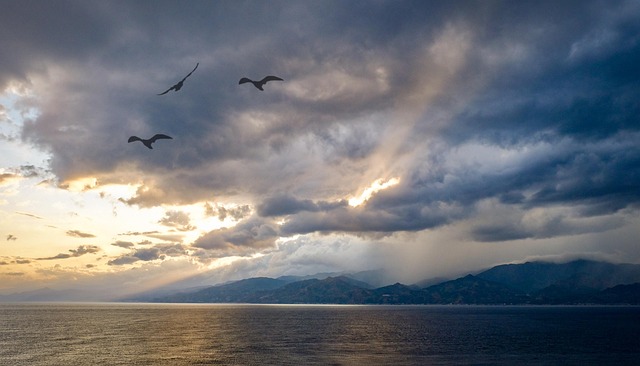
Taormina, April 4th 2025
Sitting on a balcony overlooking the Straits of Messina, I am struck by the beauty of this place. The coastline, the mountains, the sea. It can take your breath away. As an American whose grandparents immigrated from Sicily over a century ago, I have a human connection to this island in the middle of the Mediterranean. It has been ruled by a series of empires over the
centuries – the Greeks, the Carthaginians, the Romans, the Byzantines, the Arabs, the Normans, the Spanish, the Bourbons. All have left their imprint on this island. Its history has shaped who I am in ways that are difficult to understand.
Growing up in suburban Detroit, the son of Angelo and Mary Leone, owners of Louis Market, near the intersection of Mack Avenue and Mount Elliot, has also, of course, left its mark. I have fond memories of walking through Eastern Market with my father on chilly mornings, purchasing the produce and meat we would sell in the Market. On Sunday mornings, we would often go to Mass at St. Bonaventure’s Church – about a mile down Mount Elliot from Louis Market.
Over the last twenty years, I have grown to love being “up north”; particularly the Lake Huron shoreline in Presque Isle County – the quiet beaches, the lighthouses, the shipwrecks. They have left an imprint on who I am and how I see the world. And, in the last few years, I have started to learn about Venerable Bishop Frederic Baraga, “the Snowshoe Priest”, and his treks across the Upper Midwest serving first the native Americans in this region, and then the immigrants who came to work in the iron ore mines of the Upper Peninsula.
A couple days ago, we had lunch and dinner with about a dozen of my relatives who live in Alcamo – the town where my paternal grandfather and grandmother were born. They were welcoming, kind and generous. It was an absolute joy spending a few hours with them and learning about their lives and families. Over the next few years, I would like to get to know
them better and hopefully develop a few real relationships.
The food has been fantastic. Vita’s lasagna and spiedini were delicious. I have eaten pasta con sarde just about every chance I have had. I have become a big fan of casatella – a very Sicilian desert (shares pride of place with cannolis). For the next few days, I hope to begin to experience another Italian tradition – il dolce far niente (the sweetness of doing nothing).
Life is good.